[#002] Climate Art - From Protest to Utopia
Sunday November 2nd, I interviewed Mathias Frick, the director of the climate art documentary "Climate Art - From Protest to Utopia, as part of the Films for Future Festival 2025 in Zurich. Here's my summary of the movie and the interview with Mathias.
![[#002] Climate Art - From Protest to Utopia](/content/images/size/w1200/2025/11/dreamstime_m_138912828-1.jpg)
A closer look at climate art
The documentary Climate Art - From Protest to Utopia from Matthias Frick asks what role contemporary art plays in the face of humanity's unique crisis? The dedicated climate journalist Leonie Sontheimer takes a critical look at outstanding artistic positions from all over the world on this topic. The film talks to popular climate artists artists such as, Sebastião Salgado, Agnes Denes and Tomás Saraceno, expanding the European perspective with important voices from the global South.
Featured climate artists and scientists
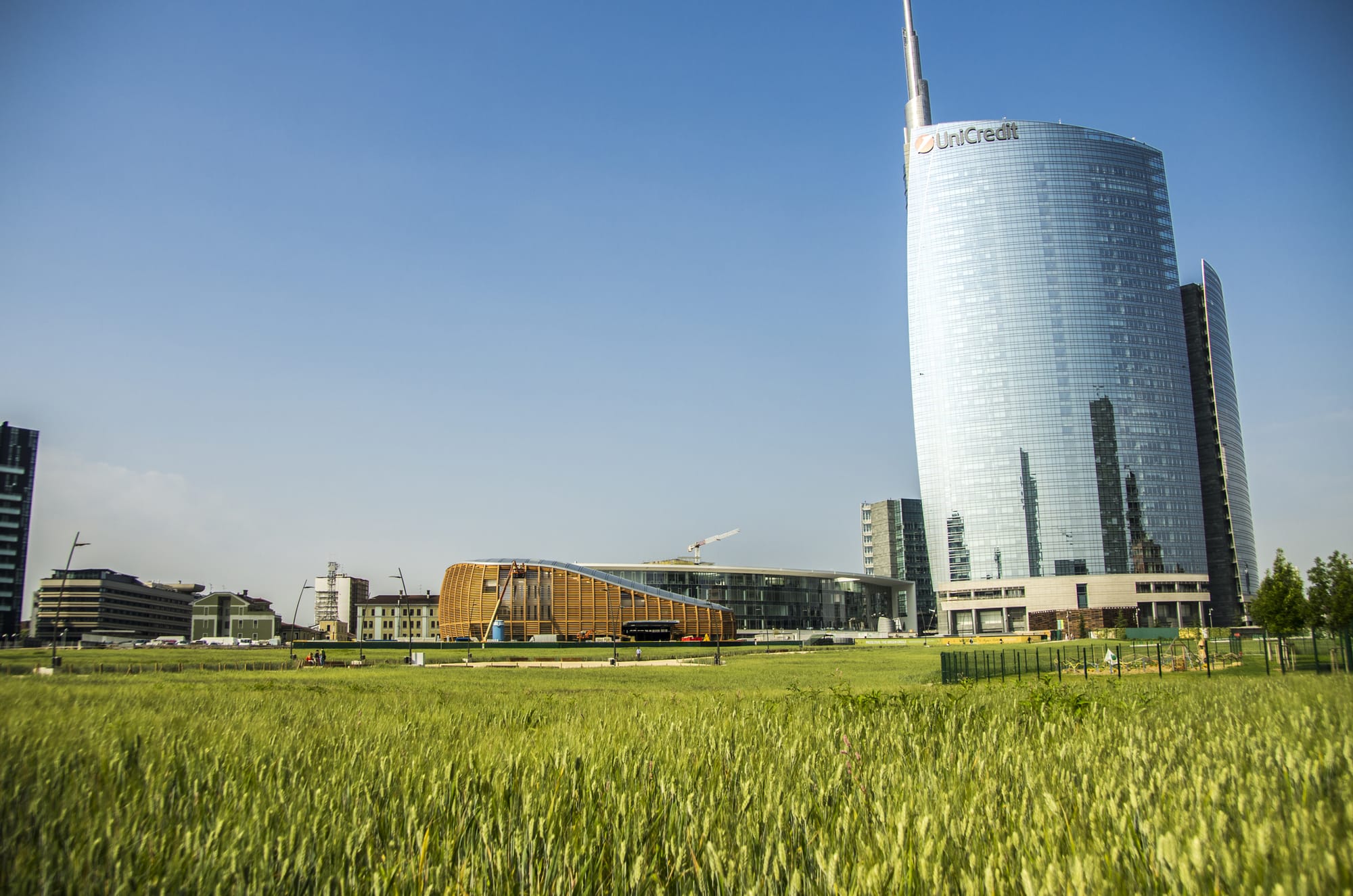
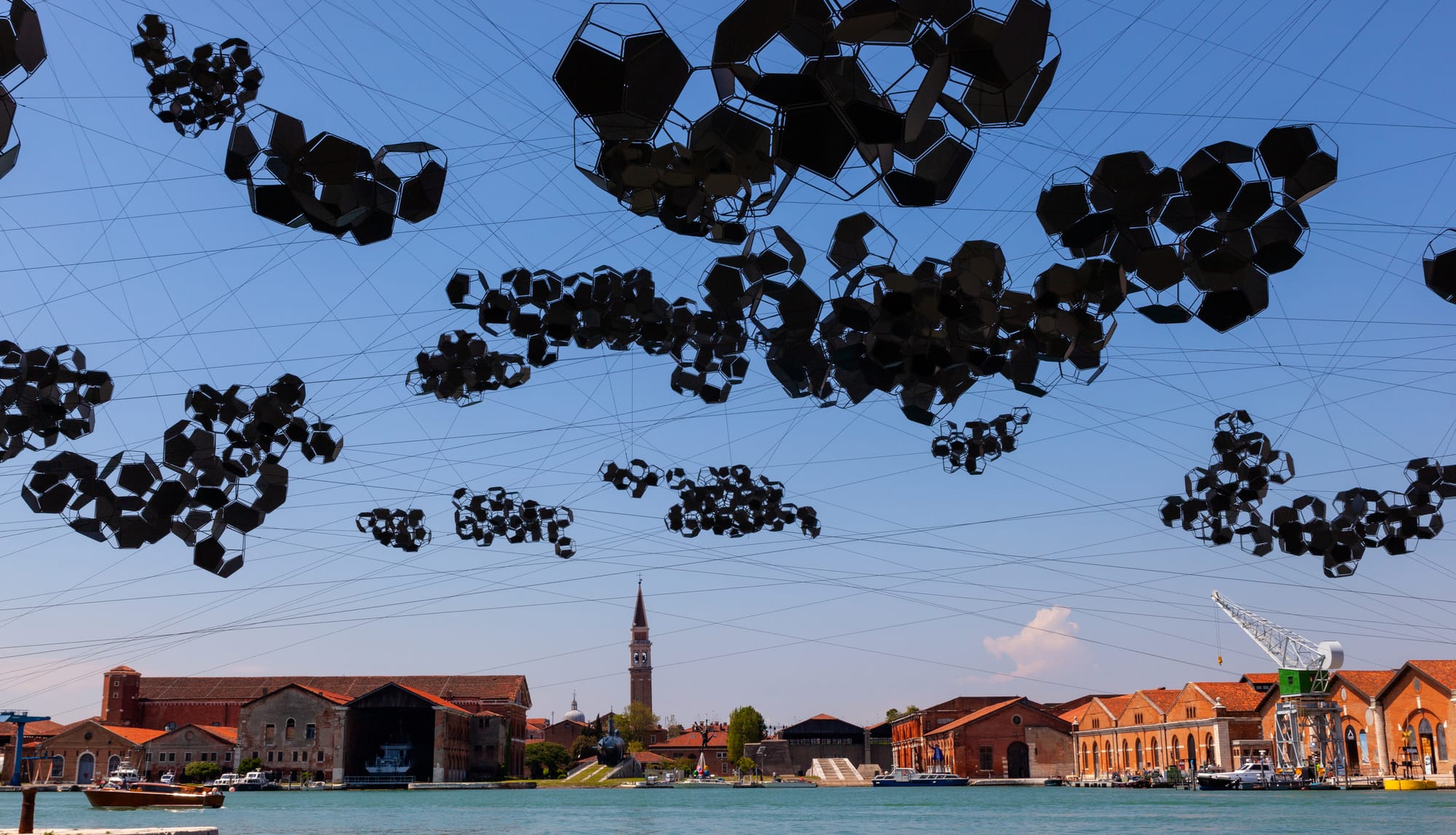
The film features renowned climate artists whose work turns environmental awareness into powerful sensory and emotional experiences. Olafur Eliasson’s large-scale installations, like Ice Watch, brought melting Greenland ice blocks into city squares to make global warming tangible for passersby. Sebastião Salgado captures the fragility and beauty of the planet in his striking black-and-white photography and furthers his message through the reforestation efforts of his NGO, Instituto Terra. Agnes Denes, a pioneer of ecological land art, famously planted a wheat field on a Manhattan landfill in 1982 to challenge our urban values and provoke reflection on sustainability. Tomás Saraceno bridges art, science, and activism, using floating sculptures and his Aerocene initiative to imagine how humans might live more lightly and collaboratively within Earth’s atmosphere.
Planetary boundaries in art
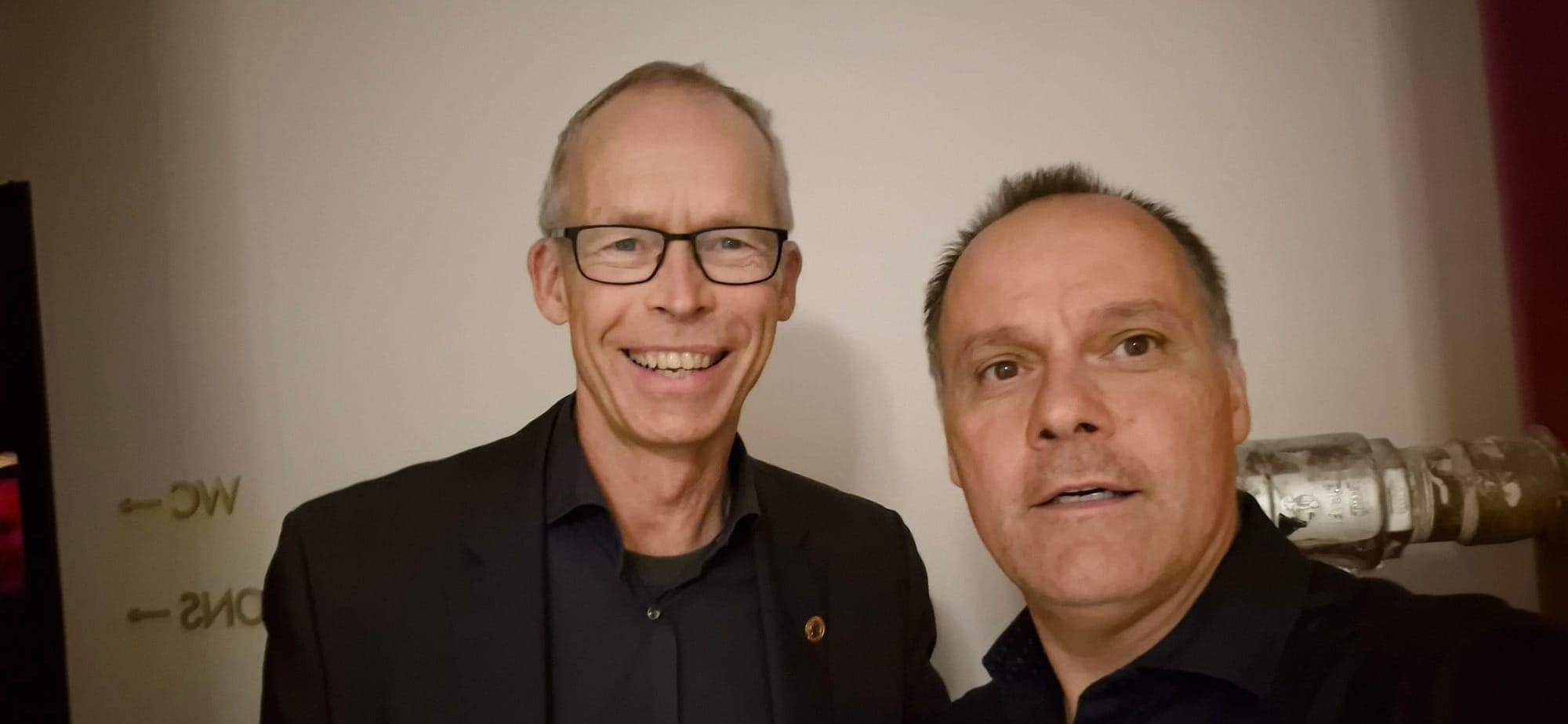
Johan Rockström is a prominent figure heavily featured in the film, particularly in relation to the crucial theory of "planetary boundaries." This concept, which he significantly contributed to developing and popularizing during his tenure at the Potsdam Institute for Climate Impact Research (PIK), is introduced and explored within the movie.
A particularly interesting aspect highlighted is how this complex scientific concept can be effectively explained and communicated through the medium of art. I have to admit, that I was impressed by Johan's genuine openness and keen interest in leveraging art as a powerful form of communication. His willingness to engage with artists and explore creative interpretations of scientific data is, in my view, a significant factor contributing to his recent success and increased visibility on the international stage. This interdisciplinary approach not only makes the science more accessible to a broader audience but also fosters a deeper, more emotional understanding of the urgent environmental challenges we face. His collaborative spirit in the interplay between science and art offers a compelling model for other actors in climate related to public engagement.
Interesting question raised about climate art
Not to spoil the movie and your interest in watching it, I am just laying out some of the main questions asked and debated in the movie
- What is climate art?
- Is climate art a form of climate activism, or is climate activism even art in some cases?
- Should climate art be an advocate for climate science?
- Does climate art have the ability to fundamentally shift people’s views on climate?
My interview with Mathias Frick
Oliver: What feedback have you received about the film since its premiere in April 2025?
Mathias: We're genuinely surprised by the significant interest and numerous festival screenings for this German-Austrian co-production. It was originally conceived as a TV film, and its 52-minute length doesn't always fit easily into festival schedules. We're delighted by the strong positive response, especially because this film, produced in 2024, came out when the climate debate was, arguably, at its most intense. It's still quite shocking to us how quickly the topic faded from public discussion in 2025, so we welcome every opportunity to discuss climate change with people.
Oliver: Matthias, do these positive reactions come from artists themselves or from people who enjoy looking at art, or perhaps even people who haven't paid attention to such art before?
Mathias: Both art consumers and artists themselves engage with the topic, consistently finding a receptive audience. Even those not directly involved in art recognize its power to clarify complex issues. For instance, someone who has touched a piece of glacier ice will likely have a different perspective on climate change than someone who has only read a scientific report. We believe that this film successfully conveys the value of art in bringing issues closer, awakening emotions, and fostering personal confrontation. This ability to evoke a personal connection is the film's core strength.
Oliver: What did you personally learn from the film project?
Mathias: So, we have to feel again and make contact with our environment. We are privileged in many ways here in Central Europe, that we have the highest standard of living in the first place. And at the same time, that we are only partially affected by climate change. If we go to Vietnam or Jakarta or what you can see in the world, it looks different, and just because it doesn't affect us so extremely yet, doesn't mean that one shouldn't still try to reconnect with nature. So please, talk to your friends about climate change.
Oliver: Thank you for this great movie and your time!
Recommendation?
If you’re a true climate geek who enjoys connecting the dots between science, communication, and culture, Climate Art – From Protest to Utopia is well worth watching. It’s not a flashy art film, but rather a carefully crafted TV-style feature that takes the viewer on a thoughtful journey through the intersection of art and climate science. Matthias Frick and Leonie Sontheimer succeed in showing how artists and researchers approach the same questions from different angles—both seeking ways to make the climate crisis understandable and emotionally resonant. The result is a film that doesn’t overwhelm, but invites reflection. It did spark quite some debate at our Sunday breakfast table. If you’re curious about how creative minds can deepen our collective understanding of the climate challenge, this one deserves a spot on your watchlist.
Maybe I should also be more open to art in general?
--- Oliver Marchand
Movie details for "Climate Art - From Protest to Utopia"
Category: Documentary
Director: Mathias Frick
Production: VIVE LA DOK, NAVIGATOR Film
Country: Germany, Austria
Format: HD
Runtime: 52 min
Year: 2025
Broadcaster: ZDF / arte
Language: English, German
Subtitles: English
Genre: Arts & Culture, Green, TV-Version available, Society
Oliver Marchand on Climate © 2025 by Oliver Marchand is licensed under Creative Commons Attribution 4.0 International

